





Introduction
A courier shipment might sound like the easiest procedure to explain: one sends the package, the shipper carries it to the destination, and the receiver is present to accept the parcel. Sounds common. However, the more you dig deeper, the more you understand that the terminologies used in the business are very different and, of course, crucial.
Today, we are picking up one of such important, but very misunderstood terms, consignee. We will be explaining in detail what it means, what their responsibilities are, and what problems you can encounter with wrong consignee details. Do you also get confused with these courier terms, then this blog would be very beneficial for you.
What Is a Consignee?
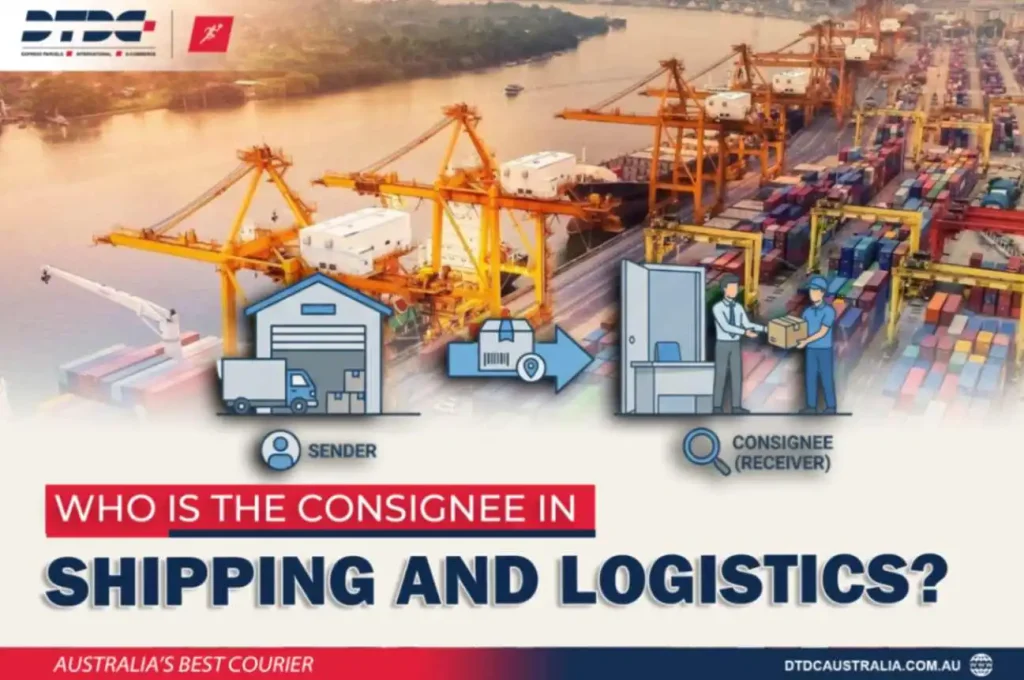
A consignee in the courier industry is the individual who receives the package you deliver. In common terms, consignee meaning refers to the receiving party of a shipment. For example, if you are sending some clothes, documents, or other stuff to your family or a friend who lives in another city, state or country, then they, who are the receiver here, will be the consignee.
A consignee can also be a buyer who made a purchase, a business warehouse for collecting all the items at a place, or any kind of receiver.
Consignee Meaning Explained
For a more official understanding, the consignee definition states that a consignee is the second party in the shipment procedure who is legally entitled to receive the shipment at its final destination. However, the consignee details must be accurately listed in the shipping documents to prevent orders being delivered to the wrong address.
Who Is The Consignee in a Shipment?
You might have seen the term in shipment documents and wonder what is consignee? A consignee is the official delivery receiver. It can be an individual or a business, and you can find the name under the consignee section of documents, such as-
- Airway Bill (AWB) – consignee on airway bill
- Bill of Lading (BOL) – consignee on bill of lading
- Commercial Invoice – consignee on commercial invoice
Role of a Consignee in Shipping & Courier Services
To define consignee and its role in shipping and courier services, you must know that a consignee is responsible for –
- Receiving the shipment
- Providing valid delivery details
- Paying duties (if applicable)
- Clearing customs (in international shipping)
Consignee vs Consignor vs Shipper
Here’s a breakdown of the three most confusing terms you might encounter during a shipment procedure.
| Consignee | Consignor | Shipper |
| Receiver of the shipment | Sender of the shipment | Entity arranging transportation |
| Person or business named in shipping documents who receives the parcel | Initiates the shipping process and provides shipment details to the courier company | Can be the consignor, a logistics company, or a freight forwarder |
Consignee Responsibilities in International Shipping
For cross-border shipments, it becomes even more crucial to know who is consignee because of the international regulations.
Consignee responsibilities during international shipment
- Submit all necessary documents to ensure a smooth shipment
- Coordinating customs clearance for international shipment
- Paying for customs duties and related taxes
- If required, provide permits and licenses
- Ensuring compliance with the laws of the destination country
Consignee Details in Shipping Documents
Consignee details in shipping documents are required to identify the official recipient who is authorised to accept the goods during shipment fulfilment. You can find the consignee details in the following documents-
- Airway Bill– required for shipment being transferred via air freight
- Bill of Lading– required for shipment being transferred via sea freight
- Commercial invoice– packing list and commercial invoice are important supporting documents.
It should be made sure that all these documents hold correct consignee information to avoid any delays or customs stress.
Common Delivery Issues Related to Consignee Information
It is common to witness delivery issues during the shipment procedure, and thus, necessary steps must be taken to avoid them for a timely delivery. Here are some common delivery issues you might face due to a lack of accurate consignee details.
-
- Incorrect consignee details– this can be responsible for your shipment getting stuck at customs.
- Misspelled names– if the basic details, such as the name of the consignee or receiver is wrongly mentioned, then your packages might never reach the real recipient.
- Wrong phone numbers- the important way to contact a consignee is via their phone numbers, and if that too is wrong, then problems arise.
- Incomplete addresses– the shipment will not be able to reach the final destination if the receiver’s address is incomplete.
- Consignee unavailable at delivery- another issue is that if the consignee you mentioned in the documents is unavailable to take the delivery when the shipment is sent, then it may be sent back.
Due to these errors and more, you may find the shipment held for consignee information. In many cases, the shipment gets returned to the origin, or sometimes you may even have to pay excess fees.
FAQs About Consignee
- What is the difference between recipient and consignee?
The major difference between a recipient and a consignee is that, in shipping, a consignee is the legally documented receiver. A recipient may just be someone collecting the shipment.
- Who is considered the consignee in a shipment?
The receiving party, who has been named in the shipping documents under the consignee section, holds the consignee role in shipment and is legally entitled to receive the delivery.
- Is the consignee the same as the receiver or buyer?
A consignee doesn’t always need to be the same as the receiver or buyer. The consignee could be a warehouse, agent, or even a third party. In easy words, a consignee is the designated recipient of goods.
- Is the consignee responsible for customs clearance?
Yes, in most cases, the consignee is responsible for customs clearance. While comparing the shipper vs consignee, customs clearance usually falls under the consignee’s responsibility.
- Who pays customs duty- consignor or consignee?
Usually, it is the consignee who pays customs duty, as it is considered the consignee responsibility to clear goods as per the rules and regulations of the destination country. However, the opposite may take place in several situations.
- What happens if the consignee is not available at delivery?
Typically, if the consignee is not available during the final delivery, then reattempts and rescheduling are tried. If the availability is not still there, then shipment may be delayed or, as a last resort, returned to the origin.
- What does “awaiting collection by the consignee” mean?
The status of awaiting collection by the consignee means that the shipment has arrived at the final destination as mentioned in documents and is waiting for pickup by the consignee.