






One often overlooked factor in logistics is tare weight. While it may seem like a minor technical detail, it plays a critical role in freight pricing, regulatory compliance, and operational efficiency. Even experienced professionals sometimes underestimate its impact on shipping costs and safety.
For enterprise owners, importers, and exporters, understanding tare weight helps provide better visibility into where logistics costs originate and how they can be optimised. In this guide, we’ll explore what tare weight means, why it matters, and how it affects global trade.
What Is Tare Weight ?
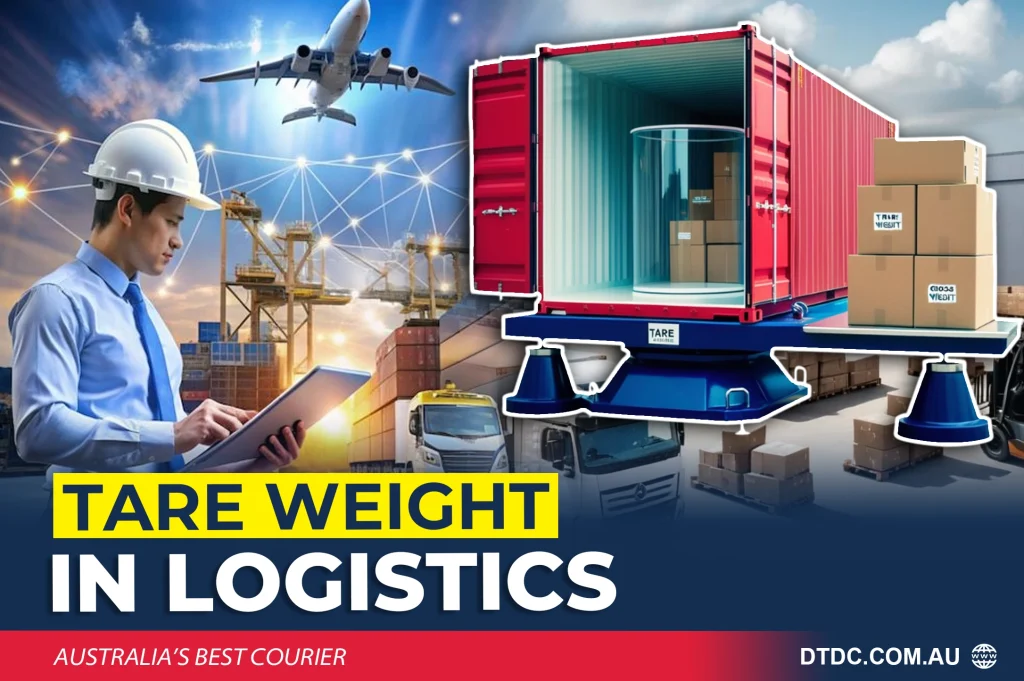
Tare weight refers to the weight of an empty container, packaging, or transport unit before goods are loaded. This value is officially recorded and used to calculate the gross weight of a shipment.
Logistics providers rely on tare weight to ensure consistency in measurements and accuracy in freight billing.
Example Container Weights
| Container Type | Tare Weight (kg) | Max Gross Weight (kg) | Max Payload (kg) |
|---|---|---|---|
| 20ft (Standard) | 2,200–2,400 | 24,000 | 21,600–21,800 |
| 40ft (Standard) | 3,700–3,900 | 30,480 | 26,500–26,800 |
| 40ft (High Cube) | 3,800–4,200 | 30,480 | 26,200–26,600 |
Tare Weight, Net Weight, and Gross Weight Explained
-
Net Weight: Weight of the goods alone
-
Tare Weight: Weight of the empty container or packaging
-
Gross Weight: Net weight + tare weight
Accurate tare weight measurement is essential for safe handling, correct billing, and regulatory compliance.
Why Tare Weight Is Important in Logistics
Precise weight measurement is critical across the logistics ecosystem. Shipping lines, port authorities, and regulators strictly enforce weight standards to ensure safety and infrastructure protection.
Incorrect tare or gross weight can result in:
-
Customs delays
-
Penalties and fines
-
Rejected shipments
-
Increased freight costs
Tare weight also plays a role in SOLAS Verified Gross Mass (VGM) compliance, which requires shippers to declare the verified total weight of containers before loading onto vessels.
Components Included in Tare Weight
Tare weight includes more than just the container. Common components are:
-
Shipping containers used in sea freight
-
Pallets for storing and handling goods
-
Packaging materials such as cartons, wrapping, and cushioning
-
Trailers (empty vehicle weight)
-
Rail wagons (empty railcars)
-
Air cargo ULDs (Unit Load Devices used in aviation)
Impact on Importers and Exporters
For importers and exporters, tare weight directly influences:
-
Customs duties & tariffs – Typically calculated on net weight
-
SOLAS compliance – Accurate tare ensures correct VGM reporting
-
Cost control – Prevents inflated freight charges
-
Cargo planning – Optimises container usage within legal limits
Reliable logistics providers document tare weight accurately, helping businesses avoid delays and unexpected charges.
Role of Tare Weight for Couriers and Freight Companies
Even small differences in tare weight can significantly affect high-volume courier operations.
Example Breakdown
| Package Type | Gross Weight | Packaging Share | Net Weight |
|---|---|---|---|
| Small Box (E-commerce) | 1.8 kg | 0.4 kg (22%) | 1.4 kg |
| Medium Box (Courier) | 5.0 kg | 1.2 kg (24%) | 3.8 kg |
| Air Cargo ULD (Bulk Load) | 1,500 kg | 90 kg (6%) | 1,410 kg |
How Couriers Use Tare Weight
-
Parcel billing accuracy
-
Fleet load optimisation
-
Last-mile delivery planning
-
Transparent customer pricing
Tare Weight vs Curb (Kerb) Weight
These terms are often confused but serve different purposes:
-
Tare Weight: Empty containers, packaging, or transport units used in logistics
-
Curb/Kerb Weight: Vehicle weight including fluids but excluding cargo and passengers
Tare weight is critical for freight calculations, while curb weight is mainly used for vehicle regulations.
How to Check Tare Weight
You can determine tare weight using:
-
Manufacturer specifications (stamped plates or labels)
-
Weighbridges (gross minus net weight)
-
Digital freight management systems
-
Shipping documents such as bills of lading and packing lists
Practical Examples in Global Trade
-
Sea Freight:
A 40ft container weighs 3,750 kg empty. With a gross weight of 28,000 kg, the net cargo weight is 24,250 kg. -
Air Freight:
A ULD weighing 90 kg with a gross load of 1,500 kg carries 1,410 kg of cargo. -
Courier Shipping:
A 5 kg parcel with 1.2 kg packaging has a net product weight of 3.8 kg.
These examples show how tare weight can account for anywhere from 5% to 25% of gross weight, depending on the mode of transport.
Future Outlook
As global trade volumes and e-commerce shipments continue to grow, tare weight will remain a key metric for efficiency, safety, and compliance. Accurate weight reporting reduces operational risk and improves cost transparency across supply chains.
Frequently Asked Questions
1. What is the difference between tare weight and GVM?
GVM (Gross Vehicle Mass) is the maximum allowable loaded weight of a vehicle, while tare weight is the unloaded weight.
2. What is the tare weight of a truck?
It varies by class:
-
Light trucks: 2,000–4,500 kg
-
Medium rigid trucks: 5,000–12,000 kg
-
Heavy prime movers: 12,000–18,000+ kg
3. How is tare weight calculated?
Tare weight = Gross Weight − Net Weight
4. Where can I find container tare weight?
On the CSC plate fixed to the container door, manufacturer specs, or shipping documents.
5. Does tare weight affect customs duties?
Yes. Duties are usually based on net weight, so incorrect tare values can lead to compliance issues.