

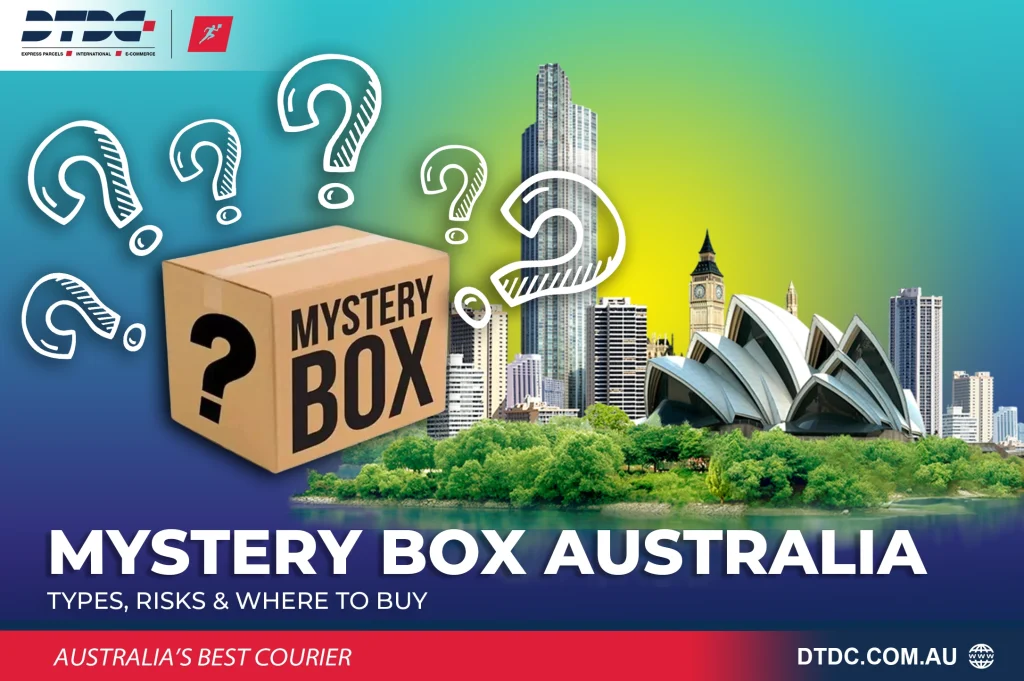
Have you ever purchased something on the internet without knowing what you were going to get? That is what a mystery box in Australia is. Mystery boxes are increasingly becoming popular among online shoppers, especially among electronics, clothes, and collectible lovers.
Even though the concept is exciting, there is risk involved. We will break down the mystery box types available in Australia, the risks that may occur, and where to purchase them safely online in this guide.
What Is a Mystery Box?
A mystery box, as the name suggests, is a closed box that contains a product or products that you are unaware of until you receive it. The boxes are either themed, such as electronics and clothes, or entirely random.
Why Mystery Boxes Are Trending in Australia?
Mystery boxes tap into the interest and enthusiasm of the customers. It is like purchasing a present for oneself. As e-commerce is gaining traction, the ‘lucky dip’ style of shopping is getting more and more attractive to Australians.
How They Do It – the Element of Surprise
Once you’ve made your selection, the real fun begins. You won’t know what’s inside the box until it’s delivered to your doorstep. This element of surprise is what makes mystery boxes so exciting and popular among online shoppers. The basic process follows:
- You choose a seller or platform.
- Select a box either by theme or completely at random
- Pay a fixed price.
- Wait for delivery to find out what’s inside.
Types of Mystery Box Offers in Australia
Mystery boxes sometimes come in a particular theme, such as electronics or makeup, to reduce the element of risk and cater to a specific audience. The following are the most popular ones that you can purchase online:
Mystery Box of Electronics
These are one of the most in-demand mystery boxes in Australia. Electronics mystery boxes may contain a headphone, a smart watch, a video gaming accessory or even a refurbished technology device.
Some mystery boxes can even have products that cost more than the price you paid for the box. Imagine getting a PlayStation 5 for AUD 500. Mystery boxes are sometimes used for promotions by big brands, and you may also get lucky someday.
Mystery Box of Clothes & Makeup (Zara, Branded Apparel, etc.)
Fashion brands also launch mystery boxes of clothes and accessories occasionally in Australia. Zara mystery boxes are particularly popular in Australia, offering its customers discounted options to the latest clothing that they may not otherwise purchase themselves.
Makeup mystery boxes are also popular in Australia, with women of different age groups. These boxes often include a variety of cosmetics, skincare items, and beauty tools, sometimes from well-known brands.
Best Mystery Box for Her
Mystery boxes for women usually consist of cosmetics, beauty products, skincare, jewellery, and clothing. They are excellent gift options for birthdays, Valentine’s Day or a present on its own.
Themed Boxes – Beauty, Gaming, Toys, Lifestyle
Other themes like beauty, gaming and toys, among others, are also popular for mystery boxes. Such boxes contain products like toy bundles, gaming loot crates, and beauty sample boxes, catering to that specific niche.
For collectors and fans of the Pokémon franchise, themed mystery boxes can contain a variety of items such as rare trading cards, plush toys, figurines, and other merchandise. Pokemon mystery boxes are particularly popular among children and collectors in Australia.
Unclaimed Mail & Returned Parcel Boxes
Unclaimed Mail and Returned Parcel Boxes contain items that were either undeliverable by postal services or returned by recipients for various reasons. They can be purchased from auction houses, specialized online retailers, or sometimes directly from courier companies.
The appeal of these mystery boxes lies in unpredictability, as you might find anything from electronics and clothing to household goods, books, or even vintage collectibles. There are several online sellers in Australia that specifically focus on such mystery boxes.
However, it’s also important to be aware of the risks. Since the contents are entirely unknown, you might end up with items that are broken, damaged, or simply not useful to you. Checking the seller and understanding their return policy is crucial.
Free Mystery Boxes in Australia: Is It Real or a Scam?
We all like the word free, but when it comes to free deals on mystery boxes, you have to be aware. Some companies give out free mystery boxes as a marketing strategy, but make money on shipping. And others require you to sign up for something or subscribe.
Common Red Flags & Risks to Avoid
- Demand for personal information or sensitive details of credit cards.
- Unverified sellers that do not have reviews or proper contact details on their profile.
- Too good to be true promotions, such as free iPhones in mystery boxes.
Safer Alternatives to Free Mystery Boxes
Rather than running behind free offers, try the following:
- Mystery boxes with clearly defined discount terms.
- Subscribing to reliable brands that provide mystery boxes at a discounted price.
- Partnered retailers on e-commerce platforms such as Amazon.
Where To Buy Mystery Boxes
Amazon sells a large variety of mystery boxes in Australia, including electronics and clothing. The positive is the security that the platform offers. Amazon sellers usually come with reviews and buyer guarantees. But not all vendors are local, and hence deliveries may take a long time.
Fashion enthusiasts often seek after Zara mystery boxes. These are commonly marketed via special offers or third-party sellers via the internet. Mystery boxes are also available in several other places.
- eBay: Large selection, but the reliability of the seller varies.
- Local online stores: Sometimes have themed or mystery boxes on sale.
- Independent sellers: Many Instagram and TikTok accounts are selling mystery boxes, but you need to be careful about the authenticity.
Where To Buy Amazon Mystery Box in Australia
The primary source to buy Amazon mystery boxes is the Amazon website. Other than that you can find these boxes in auction sites like Grays Online and Allbids. These websites sell returned Amazon products in bulk, either as amazon return pallets or containers.
Risks of Buying a Mystery Box in Australia
Mystery boxes are a fun option, but they do come with risks:
- Unreliable sellers & false offers: More than 140 ‘ghost stores’ were tracked by The Guardian, which were selling bad quality products, including cheap counterfeits. Some were not delivering products at all.
- Expensive vs. value for money: Not all of these boxes are worth the price. You might get low-value items. Therefore, it’s crucial to do your research and choose wisely to ensure you get the best deal.
- Quality of the product and brand authenticity: The clothes may be imitations of top brands, and the electronics may be second-hand or generic products.
- Shipping delays & no refund policies: There are merchants that do not offer refunds for dissatisfied customers, and shipping delays are also a common issue.
Tips for a Fun & Safe Mystery Box Experience

In order to avoid disappointments and turn it into a fun experience, you can follow these tips:
- Check reviews and seller ratings: The best guide is customer feedback.
- Compare prices across platforms: Do not be misled by the exaggerated price. Compare local sellers, eBay and Amazon.
- Look for free shipping deals: Mystery boxes with free shipping can save money; however, make sure it is real and the shipping costs are not built into exaggerated box prices.
- Pick a box based on your interests: Select a theme according to your hobbies or requirements.
- Start small before going big: Buy a little box to check the reliability of the seller.
- Shop at reliable stores such as Amazon: They provide protection from fake sellers, and the best mystery boxes in Australia are found on these platforms.
- Check out seasonal deals and packages: Holidays typically have limited-edition mystery boxes or reduced-price boxes.
- Verify the delivery partner of the seller: It is important to select sellers that use reputable couriers such as DTDC Australia. This way, you will have reliable delivery and tracking.
Reliable Delivery With DTDC Australia
You should be aware of courier partners when you are a seller who delivers mystery boxes or a customer who cares about the on-time delivery of your product. With DTDC Australia, you get:
- Live tracking (no “where is my mystery box? stress).
- Quick and low-cost delivery throughout Australia.
- Peace of mind that your parcel is in the hands of professionals.
Final Thoughts
Mystery boxes are fun, exciting, and sometimes a little risky. Whether you’re looking for electronics, clothes, or beauty mystery boxes in Australia, there are plenty of options online, from Amazon mystery boxes to Zara bundles and local sellers.
By doing it right, that is, verifying the seller, choosing reliable platforms like Amazon and ensuring reliable delivery partners like DTDC Australia, buying a mystery box turns into an exciting adventure.
Frequently Asked Questions (FAQs)
What are the most popular mystery boxes?
Most popular mystery boxes in Australia belong to themes like electronics, fashion, and beauty boxes.
Is the Temu mystery box real?
Yes, they are real. You can find them here. Be cautious while purchasing from platforms like Temu and use user reviews to verify the sellers.
Where to buy a mystery box in Australia?
Mystery boxes can be easily bought from e-commerce sites like Amazon and eBay. Many local online platforms and independent social media accounts also sell mystery boxes.
How to buy an Amazon mystery box in Australia?
- Go to Amazon.com.au and search for “mystery box”.
- Filter by category and reviews. Then check star ratings, verified buyer feedback, and seller reliability.
- Select your box type: electronics, fashion, toys, or random mixed boxes.
- Check the delivery details as some sellers ship from overseas, which may take longer.
- Place your order and track it through your Amazon account until it is delivered.
Pro Tip: Choose sellers marked “Fulfilled by Amazon” or with strong ratings to reduce the risk of low-quality or counterfeit items.
How much does a scarce mystery box cost?
A limited edition can cost anywhere from AUD $20 to AUD $1500+, depending on the theme and size of the mystery box.